Building digital products in weeks, not months
Melvær's framing was less about AI as a technology and more about AI as a forcing function. The teams shipping the fastest aren't the ones using the most sophisticated models, he argued — they're the ones who've stopped treating prototyping as a separate phase. A working prototype, in his telling, isn't the thing you build before the real product. It is the real product, just earlier and rougher. The companies still treating it as a deliverable to be approved before development starts are losing weeks to a process that no longer serves them.
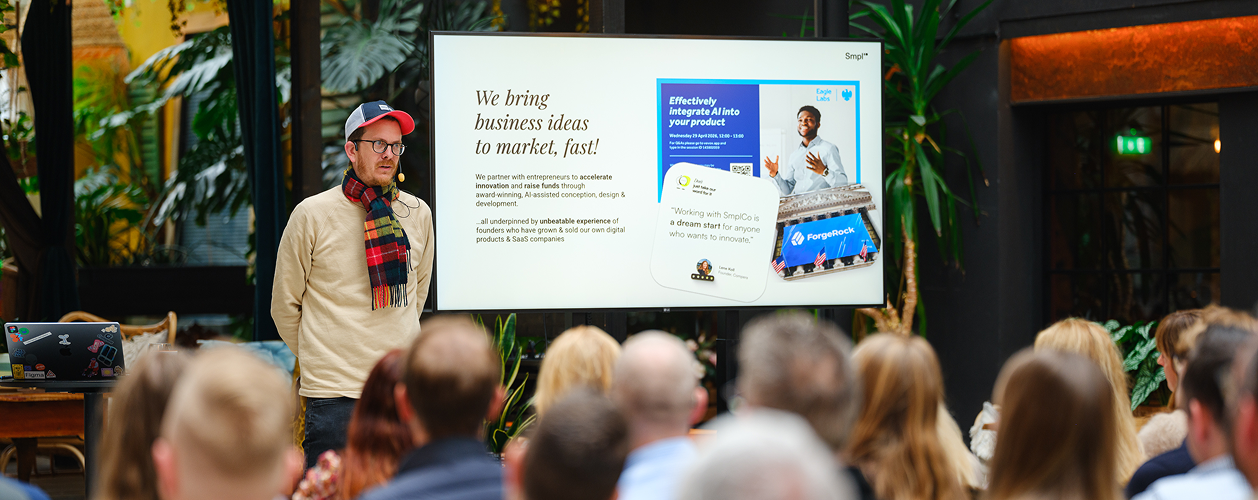
There's a particular kind of meeting that Andreas Melvær wants to make extinct. The one where a team spends six weeks scoping a feature, three months building it, and another month figuring out why nobody's using it. At the third WHAT'S NEXT session, the co-founder and CEO of SmplCo made a straightforward argument to a packed Library: the tools have changed, the timelines have collapsed, and most companies haven't noticed yet.
AI won't replace product teams. It collapses the timeline from idea to prototype to weeks.
Andreas Melvær
He walked the room through a recent project at SmplCo — a financial services client who'd budgeted four months for a new onboarding flow. SmplCo shipped a working version in eleven days, then spent the rest of the time refining it against real user behaviour rather than guessing at it in advance. The point wasn't the speed, Melvær said. It was that the team learned things in week two that they wouldn't have discovered until month three under the old process. The compressed timeline didn't reduce thinking; it accelerated it.
The bottleneck used to be building. Now it's deciding what's worth building.
Andreas Melvær
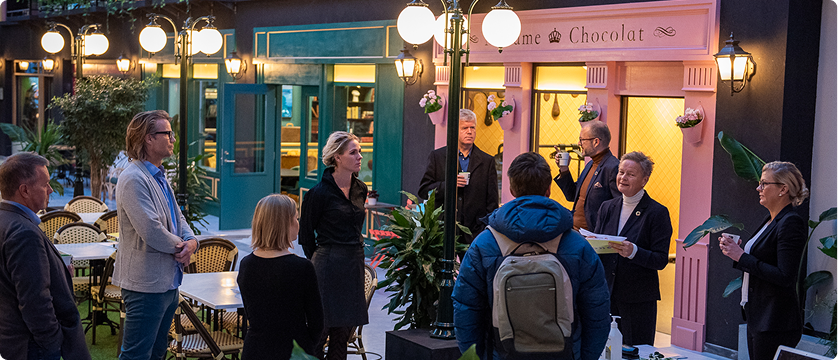
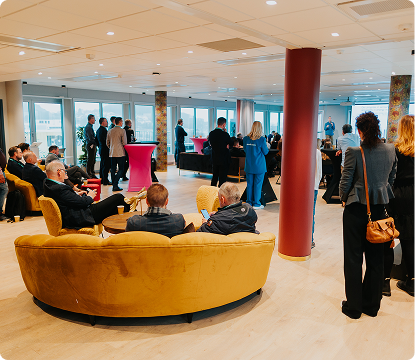
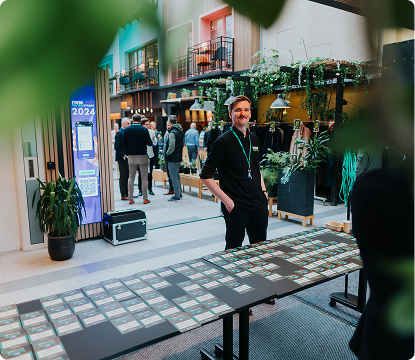
Moments from the Session






 NO
NO  EN
EN