How Workplace Design Helps Businesses Attract Talent and Improve Productivity

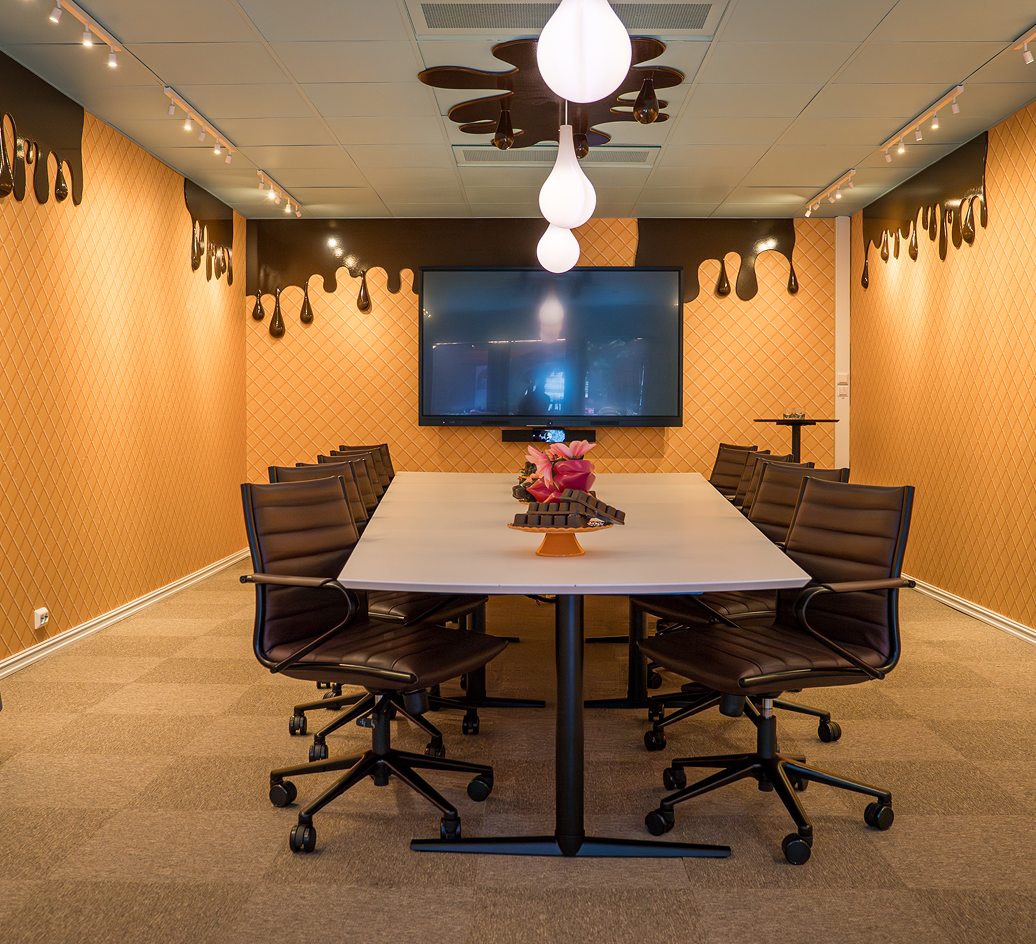
The office has always been about work, but today it is just as much about who you manage to recruit, how long they stay, and how well they perform. Workplace design has become a strategic investment that affects productivity, employee wellbeing and a company's ability to attract the best people, well beyond the purely aesthetic. In this article, we look at what research and practice tell us about the connection between office design and business results, and how you can build a modern workplace that truly makes a difference, whether you are in Stavanger, in Forus or elsewhere in the region.
The workplace has become a competitive advantage
At a time when talent is scarce in many industries, the physical workplace has taken on an entirely new role. The office is both a place to work and a signal to candidates about what kind of company you are. A well-designed work environment shows that you take your people seriously, invest in wellbeing and create conditions for them to do their best work. Companies that treat the office as a cost to minimise risk losing the battle for talent.
From cost to strategic investment
Traditionally, office rent and office interior design have been seen as pure operating costs. That mindset is changing. More and more companies recognise that a well-considered workplace can contribute to lower absence and turnover and higher engagement. For businesses that want to take this seriously, FOMO Design offers help with office interior design and space planning that supports the way the team actually works. The point is to treat the workplace as an investment in the people who work there.
Can office design really affect productivity?
Yes, and the research is clear. The SSB Labour Force Survey shows that 45 per cent of Norwegian employees had the option to work from home in 2024, but only 7 per cent actually used it half the time or more. That means the vast majority of employees still spend most of their working day in an office. The quality of that office has a direct impact on how well they work.
Choice, noise and daylight
Research from, among others, the Gensler Global Workplace Survey 2025, based on responses from more than 16,000 office workers in 15 countries, shows that employees with a high degree of choice in where and how they work are almost three times more likely to say their workplace supports both individual and team productivity. At the same time, only about a quarter of workers globally say their current workplace truly helps them do their best work. That means there is significant untapped potential in better office design.
Three factors consistently emerge as decisive: access to quiet zones for concentration, the ability to control lighting and noise levels, and plenty of daylight. Open-plan offices where everyone sits in the same open space without quiet rooms or variety consistently score lower on productivity and satisfaction. Open offices can work well, but only when they are combined with rooms for individual work and quiet focus time. A workplace with only one type of room forces everyone into the same mode all day, and that is rarely optimal.
Design principles that make a difference in a modern workplace
You do not need to rebuild the office from scratch to see results. A few proven principles deliver significant impact regardless of budget and size.
Zones for concentration, collaboration and breaks
A good modern workplace offers more than a single choice between open-plan and private offices. It provides zones for different types of work: quiet areas for deep focus, collaboration rooms with whiteboards and screens for project work, and informal lounges for breaks and spontaneous conversations. At FOMO in Forus, the campus is deliberately divided into such zones, so that the more than 200 companies can find the work setting that suits them best throughout the day.
Ergonomics and indoor climate
The Norwegian Labour Inspection Authority states that each office workstation must have a minimum of 6 square metres of floor space, noise control measures should be considered when noise levels exceed 55 dB, and the recommended temperature is around 22 degrees. These are minimum requirements. Companies that want office design to contribute to productivity should go further: sit-stand desks, good chairs, proper ventilation and a conscious approach to acoustics. Ergonomics and indoor climate are the foundation of a work environment that improves productivity, because they remove physical barriers that make it hard to concentrate.
What do employees look for in a modern workplace?
Talented employees often have several offers to choose from, and they assess the workplace as part of the total package. According to the same Gensler survey from 2025, employees in well-designed workplaces are nearly three times more likely to stay with their company, feel their contributions are valued and believe the environment supports their growth. 90 per cent of those who like their workspace say they are proud to work for their company. Among those who feel disconnected from their work environment, the figure is just 47 per cent.
Wellbeing, community and amenities
Employee wellbeing is about more than free fruit and ping-pong tables. It is built through real measures: a good social environment, access to fitness facilities, networking opportunities and a work environment that energises rather than drains. At FOMO you will find a 400-square-metre gym, food from Soi21, and a community where informal conversations between companies can lead to new collaborations. These are tangible amenities that support wellbeing.
What requirements does the Labour Inspection Authority set for office space?
Norwegian employers have a legal obligation to ensure that the workplace meets the requirements of the Working Environment Act and the Workplace Regulations. This means, among other things, a minimum of 6 square metres of floor space per office workstation, satisfactory indoor climate, adequate daylight and views, and access to quiet rooms in open-plan offices. The requirements apply regardless of what type of workplace the business provides. As an employer, it is your responsibility to make sure that office space for rent meets these standards.
When evaluating office space, check that the landlord documents compliance with regulatory requirements. Professional office providers like FOMO have built their solutions with these requirements as a foundation, so that you as a tenant can be confident the framework is in place.
How FOMO approaches workplace design in Forus
At FOMO in Forus, workplace design is not an afterthought. The 50,000-square-metre campus is spread across four buildings and designed so that more than 200 companies can work, meet, exercise and eat on the same campus, with zones tailored to different ways of working. The meeting rooms are equipped for everything from two-person meetings to conferences, the 400-square-metre gym gives employees the chance to work out during the day, and Soi21 provides food and coffee without anyone needing to leave the campus. The office design is built around the idea that a good workplace gives people a reason to perform, not just an obligation to show up.
For companies that want to take their office design one step further, FOMO Design offers help with office interior design tailored to the brand's identity and the team's workflow. That can include everything from selecting office furniture in Stavanger to comprehensive planning of zones, colours and acoustics. The point is that workplace design is about creating a tool that helps the team work smarter, more than decorating a room.
Build a workplace that attracts and retains the best
Workplace design is ultimately about making conscious choices that improve daily life for the people who work there. A modern workplace with thoughtful office design, great amenities and a vibrant community gives your company a real edge in the battle for talent, and helps your people do their best work every day. At FOMO in Forus you can experience how a holistic campus is built around this philosophy. Book a tour and see for yourself what a workplace focused on employee wellbeing looks like in practice.
 NO
 EN